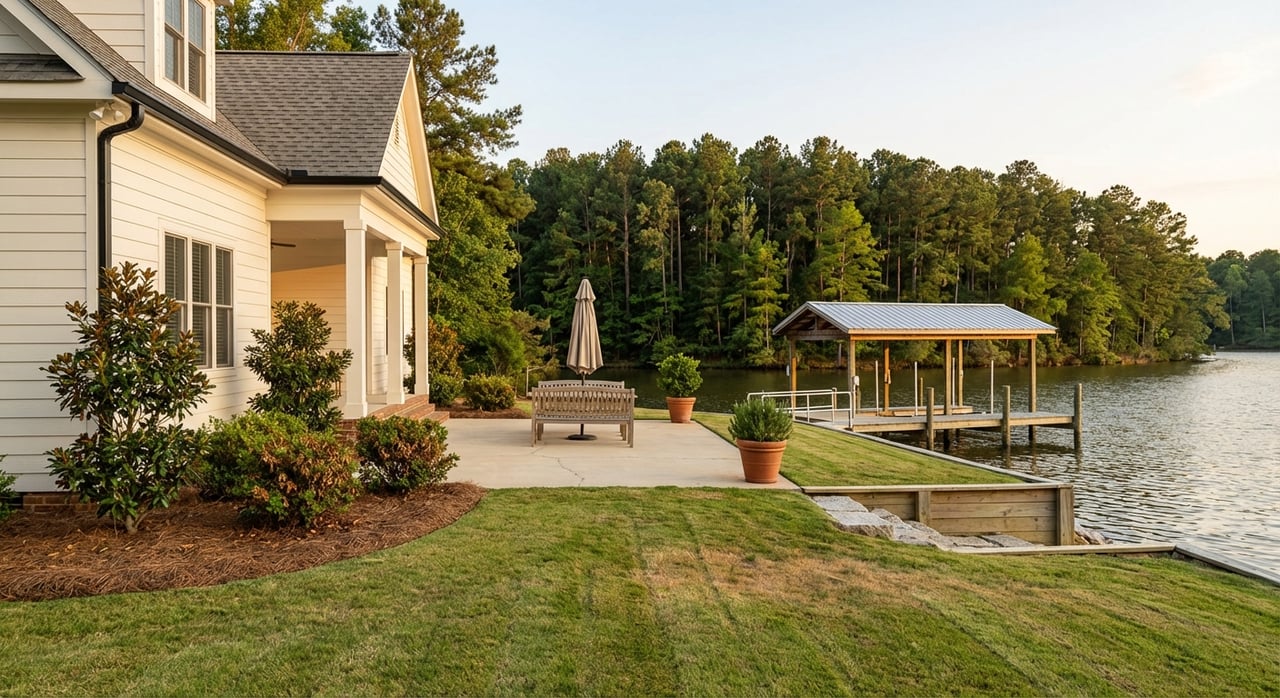
Thinking about selling your Lake Blackshear home? Buyers come for the water and stay for the lifestyle, so the small details along your shoreline and dock can make a big difference in your final price. You want a smooth sale, fewer surprises, and photos that make people say, “Let’s book a showing.” This guide gives you a practical, step-by-step plan tailored to 31015 waterfront sellers so you can list with confidence. Let’s dive in.
Know the shoreline rules
Before you fix a board on the dock or touch the seawall, confirm what is allowed. The Crisp County Power Commission manages shoreline activity and enforces a Pier and Dock Permit Program. Review the requirements and gather any existing permits or approved plans using the commission’s Pier and Dock Permit Program.
Plan around the lake’s drawdown schedule. The Power Commission typically lowers the lake by about 3.5 to 4 feet in late fall to allow shoreline work. That can last around six weeks and will affect how your shoreline and dock show in photos and during tours. Check the next planned window on the Lake Drawdown page and time repairs and photography accordingly.
Time your sale smartly
Seasonality still matters. National data show late spring often produces stronger seller outcomes and faster sales. If your timeline allows, plan photos and launch for a peak-season window. For a broader timing overview, see this summary on the best time to sell a house.
In our market, timing also means avoiding a scheduled drawdown if the low waterline could make your shoreline look less appealing. If you need dock or seawall work, start early and try to finish before your photography day. Always confirm dates on the Lake Drawdown page.
What lake buyers expect
Water access and safety come first. Buyers place high value on a functional, permitted dock or boathouse and a shoreline that feels usable and tidy. If you cannot complete repairs before listing, disclose the condition and have written bids ready so buyers understand the scope.
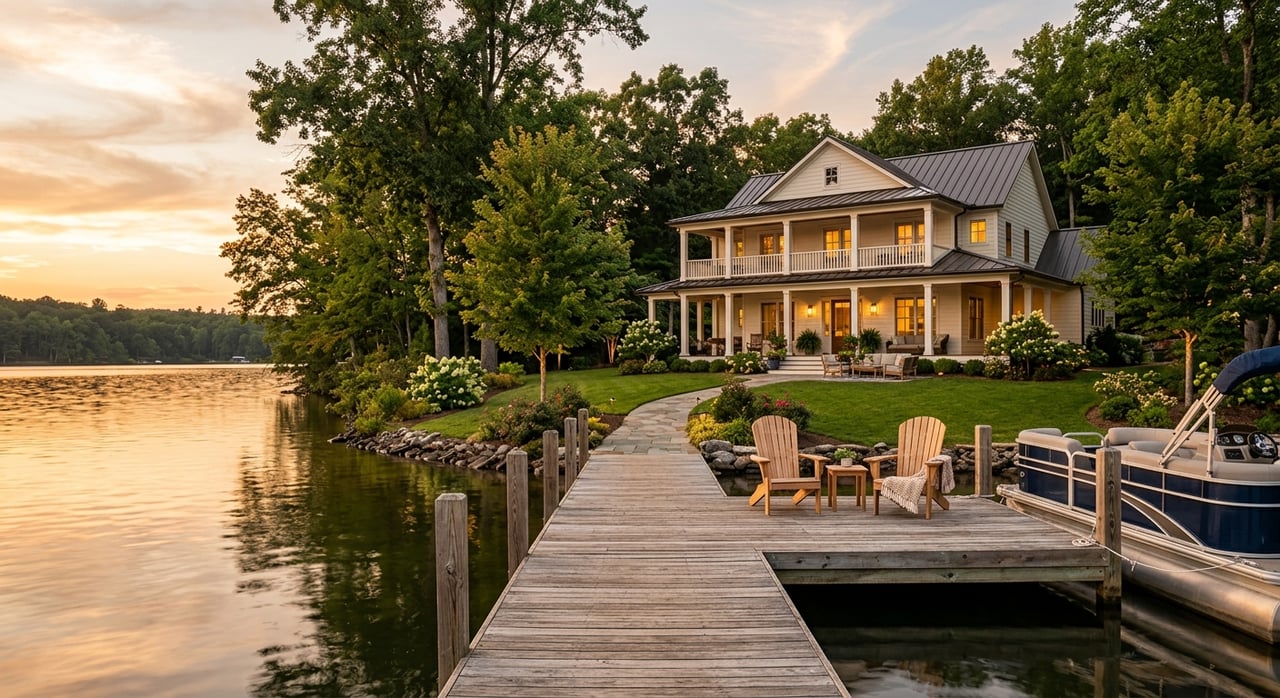
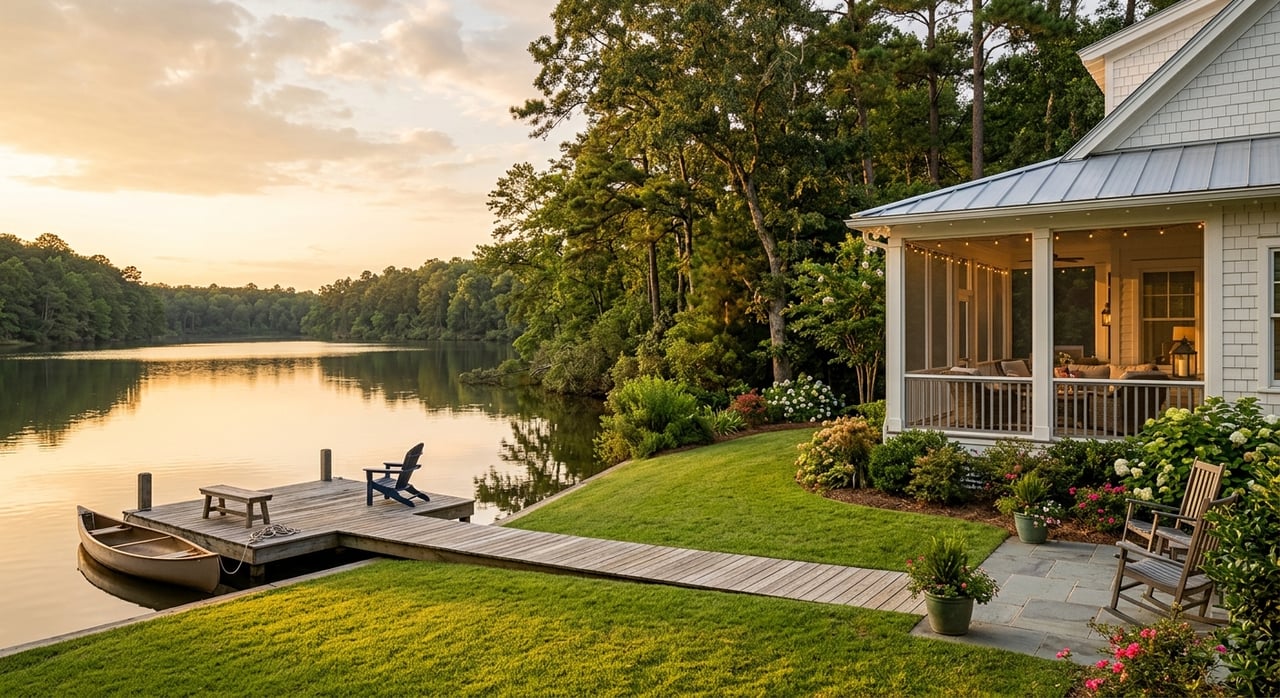
Outdoor living areas should showcase the lifestyle. Simple seating by the water, clean paths to the dock, and uncluttered view corridors help buyers picture everyday life on the lake. Inside, arrange furniture to frame the view and keep window lines clear.
Documentation matters. Buyers and lenders will ask about flood zones, flood insurance, septic, and any shoreline permits. Getting these items ready up front builds trust and speeds decisions.
Assemble a document packet
Pull together a clean, digital folder your agent can share with buyers. Include:
- Deed and any recent survey or plat that shows water frontage and easements.
- Current dock, pier, or boathouse permits, plus any prior shoreline work receipts. If you are mid-application, include the status from the Pier and Dock Permit Program.
- Flood information: your elevation certificate if available, a 3 to 5 year flood insurance premium history, and a flood zone lookup for your parcel from FEMA’s Flood Map Service Center.
- Septic information: permit history, inspection or pump-out records, and age of the system. Georgia onsite sewage rules are administered at the state and county level. You can reference the state rules here: Georgia EPD onsite sewage rules.
- Any known material facts. Georgia brokers must disclose known adverse material facts under BRRETA. For background, review this state guidance on broker disclosure obligations, and consult your broker or attorney on what applies to you.
Order key inspections
Pre-listing inspections reduce surprises and help buyers feel confident, especially out-of-area buyers who may not visit multiple times. Consider ordering:
- General home inspection to cover roof, structure, electrical, plumbing, and HVAC.
- Dock and seawall safety review from a qualified marine contractor. If repairs are needed, get written bids.
- Septic inspection or a recent pump-out report if your home is on septic.
- Termite and wood-destroying organism report, which is common in humid Georgia climates.
Provide clean copies of reports and any repair receipts. If you choose not to fix items, present bids so buyers can price the work.
Fixes, staging and photos
Make the water the star. A few focused updates go a long way:
- Shoreline and dock: power-wash decks and walkways, replace loose or rotted boards, tighten rails, and store personal watercraft neatly for photos.
- Views and access: trim shrubs or low branches that block the view, define a simple seating area at the shore, and groom the path to the dock.
- Interior cues: declutter, neutralize personal decor, and use light, clean textiles. Arrange furniture to draw the eye to windows and glass doors.
- Professional media: hire a photographer experienced with waterfront homes. Include daylight exteriors, one or two well-chosen drone shots to show setting and frontage, a twilight exterior, floor plans, and a short lifestyle video that highlights dock access. If relevant, show proximity to Georgia Veterans State Park and the marina at Lake Blackshear Resort & Golf Club.
Price for waterfront value
Waterfront pricing is specialized. A strong comparative market analysis separates true lakefront from off-water sales and adjusts for key factors like linear water frontage, water depth and navigability, dock or boathouse condition, shoreline stability, flood insurance costs, and proximity to amenities. If your shoreline structures are unpermitted or in poor condition, expect buyers and appraisers to discount.
Work with an agent who studies recent Lake Blackshear sales and understands how to account for these variables. The right pricing strategy sets clear expectations and supports appraisal.
Sample 8-12 week plan
Use this as a starting point and adjust for your permit needs and contractor timelines.
- Weeks 8-12: Confirm dock and seawall permitting needs with the Power Commission and apply if required using the Pier and Dock Permit Program. If any EPD determinations might be involved for shoreline work, allow several months. Begin getting bids for dock, seawall, and any interior repairs.
- Weeks 4-8: Complete interior fixes, deep clean, and staging. Order pre-listing inspections and your termite report. If on septic, schedule an inspection or pump-out. Book a waterfront-savvy photographer for a date that avoids visible drawdown conditions. Check the planned schedule on the Lake Drawdown page.
- Weeks 1-2: Final touch-ups and lawn care, set up the lakeside seating vignette, and capture twilight and drone images. Assemble your digital packet: survey, permits, flood map, elevation certificate, and insurance history from the Flood Map Service Center. List late in the week to capture weekend traffic. For national timing context, review the data on the best time to sell a house.
Costs vary by scope, contractor availability, and permit needs. Dock or seawall work can run from a few thousand into the tens of thousands, surveys and elevation certificates often fall in the several-hundred to low-thousand range, and professional photos with drone plus light staging typically run in the low thousands. Get local bids early so you can decide between repairs now or offering credits.
How a specialist helps
A lake-focused agent brings specific advantages to your sale. You get guidance on permitting and shoreline rules, help scheduling repairs around drawdowns, and a pricing approach that correctly values frontage and dock condition. You also get media that sells the lifestyle and a clean documentation file that reduces buyer friction and appraisal risk.
An experienced local partner will coordinate waterfront-savvy photography, highlight proximity to amenities like Georgia Veterans State Park, and market directly to buyers who value lake living. If you are unsure about a repair or disclosure, you will have someone by your side to help you decide whether to fix, credit, or disclose with bids and permits in hand.
Ready to make a plan for your 31015 waterfront home? Reach out to Lee Ann R. Adams to map your timeline, prep list, and pricing strategy around Lake Blackshear.
FAQs
What is the Lake Blackshear drawdown and how does it affect my sale?
- The Crisp County Power Commission lowers the lake several feet, usually in late fall, to allow shoreline work. Check timing on the Lake Drawdown page and plan repairs and photos to avoid low-water visuals.
Do I need a permit for my dock or seawall at Lake Blackshear?
- Yes, shoreline structures are managed under a permit program; review requirements and gather approvals using the Pier and Dock Permit Program before repairing or building.
How do I confirm my flood zone and insurance needs for a lake home?
- Use FEMA’s Flood Map Service Center to look up your parcel’s flood zone, then share any elevation certificate and recent flood insurance premium history with buyers.
What septic documents do buyers expect for a Lake Blackshear home?
- Buyers commonly ask for septic permit history, inspection or pump-out records, and system age; Georgia onsite sewage rules are outlined here: Georgia EPD onsite sewage rules.
When is the best time to list a 31015 lakefront home?
- Late spring often favors sellers nationally; in our area, also plan around any scheduled drawdown and target strong-light photography windows; see this overview of the best time to sell a house.
Should I highlight proximity to Georgia Veterans State Park in my listing?
- Yes, amenities like the marina, golf and trails are lifestyle draws for many buyers; consider a line in your description about distance to Lake Blackshear Resort & Golf Club.